






An intimate moment of observance beats tens of thousands of entries to the top spot in the 2026 Wiki Loves Africa contest, Rites & Rituals
Wiki Loves Africa 2026 edition, with the theme Rites & Rituals, attracted over 46,000 media uploads across the seven prize categories to the annual free licence media contest held on Wikimedia Commons.
From 1 March to 30 April 2026, Wikimedians and professional photographers, sound engineers and filmmakers across the continent focused their lenses and tuned in to the myriad festivals and community celebrations to capture the colourful costumes, the thundering guns, hooves and applause, and the music, dance and dramatic performances of traditional, celebratory and religious practices, as well towards the more quotidian rhythms of life in Africa.
But it was intimate moments of devotion and connection that caught the international photography jury’s attention to take the top three photography prizes: A glimpse through pious arms at a child weighing the gravity of religion in Khushū’ Salāt; an outburst of joyous laughter shared by a couple at a Mijikenda Wedding Blessing Ceremony; and the astounding dimensions of human faith gathered for an Eid Prayer at Al-Siddiq Mosque.
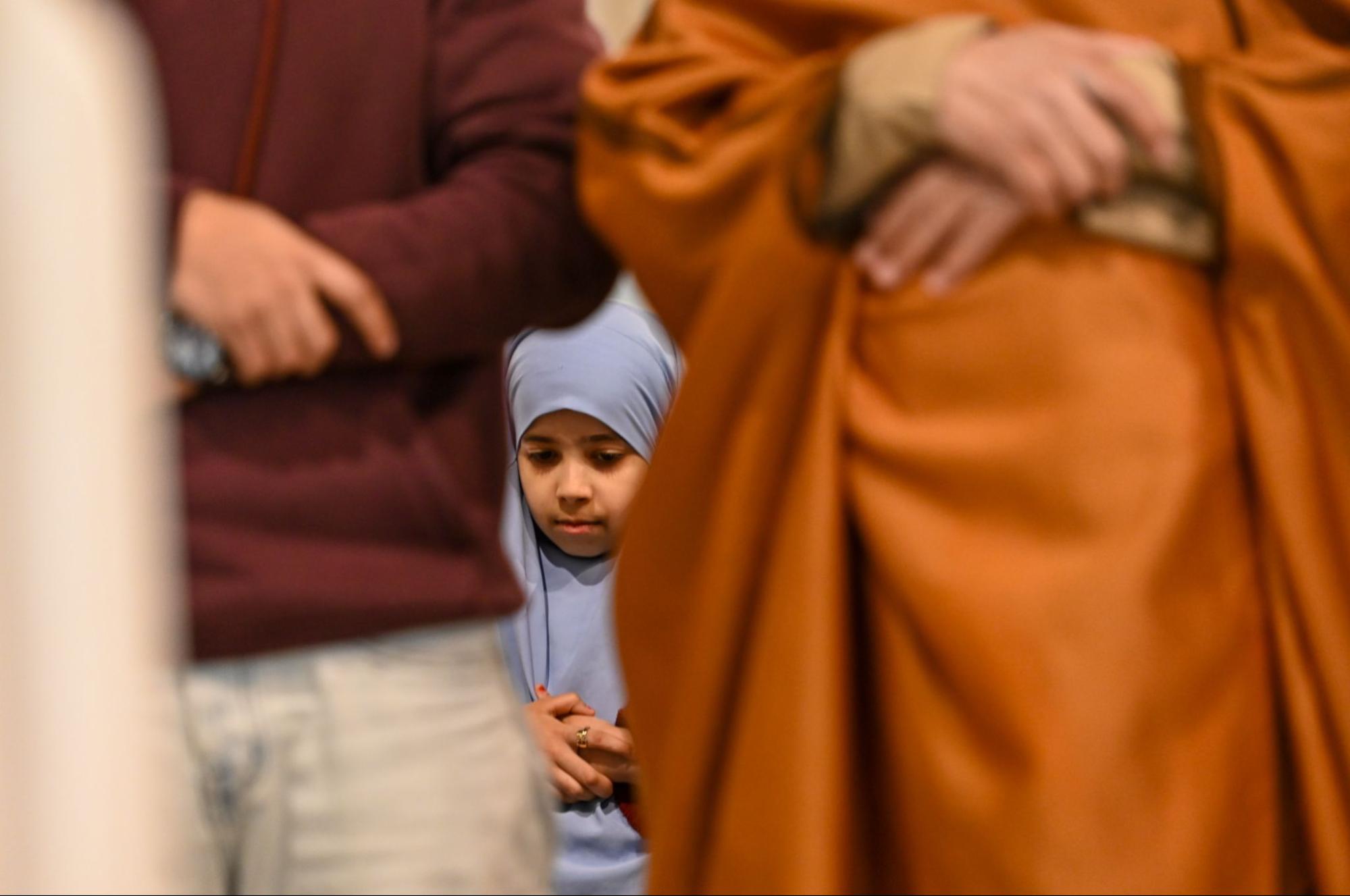
1st Prize: Khushū’ Salāt by Ebrahim Kandel (Egypt)
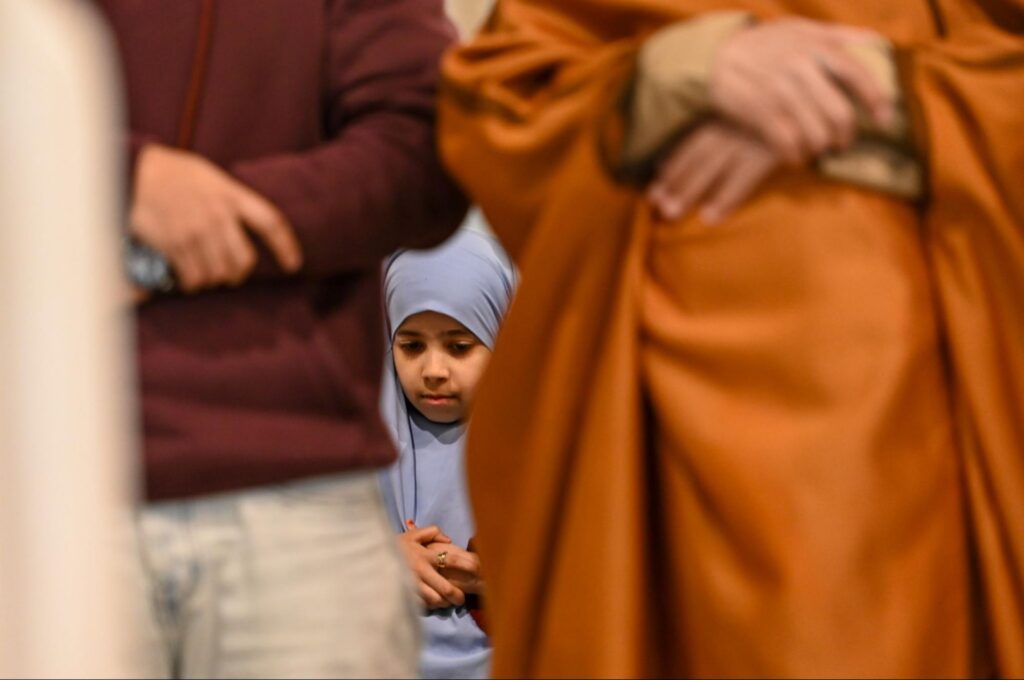

Taking first place in the Photography category, Ebrahim Kandel’s Khushū’ Salāt captures a quiet moment of Muslim prayer through an intimate and carefully composed image. Framed between two adults in the foreground, a young girl becomes the photograph’s focal point, her lowered gaze and serene expression conveying a profound sense of contemplation and devotion. The repetition of the worshippers’ hands and shared posture connects the child to the adults around her, while her position within the frame gives the image a sense of continuity between generations. The jury praised the photograph for its understated power, reverence and timeless quality, as well as the space it leaves for the viewer to participate in its story.
“The expression on the face says much about the importance of this moment. To me it tells a strong story that I, as observer, get to help create.” — Alan Levine, International Jury
For Kandel, the Rites & Rituals theme offered an opportunity to look beyond the outward act of prayer to the emotion, identity and shared human connection contained within spiritual practice. “The theme highlighted how sacred rituals are embedded in daily life across Africa,” he explains. Winning the international first prize marks an important milestone in his documentary photojournalism career and, he says, strengthens his commitment to documenting African stories and cultural heritage. He sees Wiki Loves Africa as an important way for African photographers to reclaim the continent’s visual narrative, presenting “a diverse, rich, and dignified visual record of our traditions, everyday life, and cultural heritage to the world.”
2nd Prize: Mijikenda Wedding Blessing Ceremony – Coastal Kenya by Victor Ngonzo (Kenya)
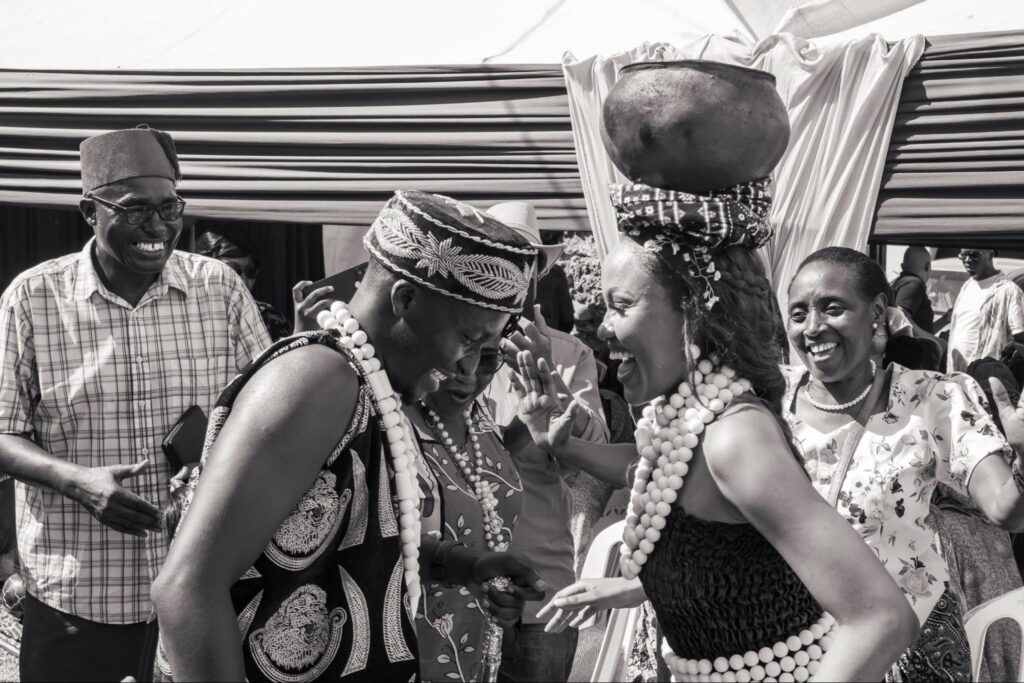

Victor Ngonzo’s Mijikenda Wedding Blessing Ceremony – Coastal Kenya takes second place in the Photography category with an exuberant celebration of tradition, community and shared joy. Captured in black and white, the photograph centres on a couple caught in a moment of uninhibited happiness during a traditional wedding blessing ceremony. Their expressions and body language, echoed by the people celebrating around them, draw the viewer directly into the occasion. The jury particularly noted Ngonzo’s choice of black and white, which strips away the distraction of colour and focuses attention on the emotion, movement and human connection at the heart of the image.
“For me this photograph is pure, unfiltered joy. As a viewer, you are immediately invited to join in. It’s bang on topic, and if you thought that black & white would detract from its impact, you were wrong!” — Bea de los Arcos, International Jury
For Ngonzo, the Rites & Rituals theme encouraged him to look beyond the immediate spectacle of dance and celebration and consider the cultural meaning embedded in the clothing, movements and participation of those around him. He wanted the photograph to show that these traditions are not simply remnants of the past, but remain alive and meaningful within communities today. Contributing to Wiki Loves Africa has also encouraged him to document his surroundings with a different eye and strengthened his commitment to telling African stories through photography.
Ngonzo sees that act of documentation as part of a broader shift in how Africa is represented globally. “Africa is not just one story — it is made up of many different cultures, people and experiences,” he says. By enabling Africans to document their own communities, traditions and everyday lives, he believes Wiki Loves Africa can both preserve cultural heritage and build a richer visual record of the continent, created through African eyes.
3rd Prize: Eid Prayer at Al-Siddiq Mosque by Mohamed Shokry Elgarnosy (Egypt)
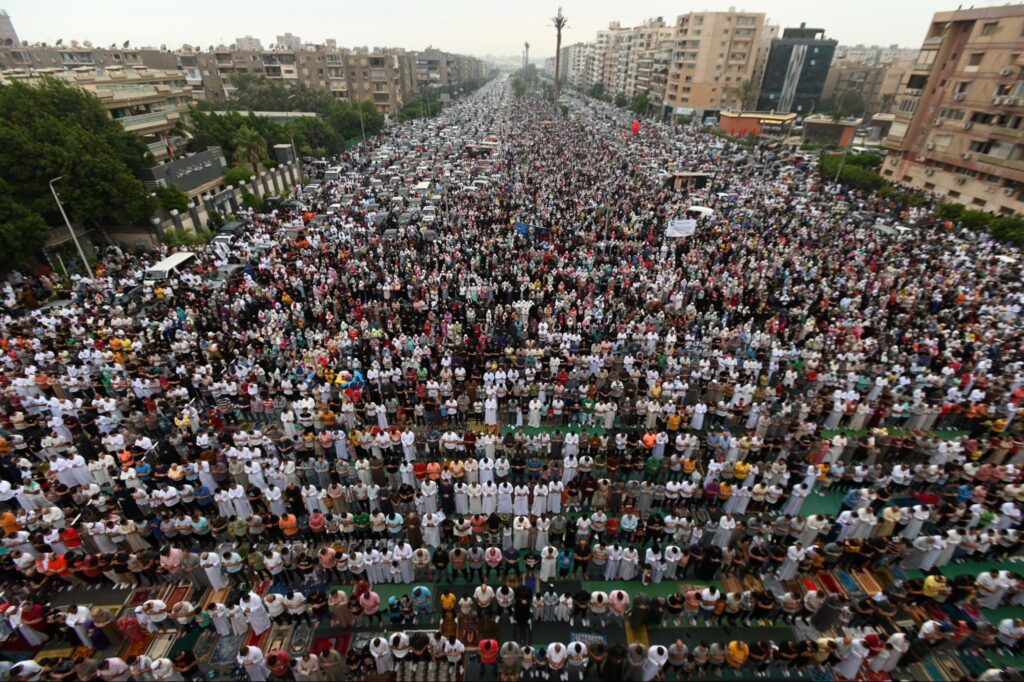

Taking third place in the Photography category, Mohamed Shokry Elgarnosy’s Eid Prayer at Al-Siddiq Mosque captures the extraordinary scale and collective experience of a prayer to mark the end of Ramadan in Egypt. Filling the frame with worshippers gathered across a vast area of the street, the photograph transforms a multitude of individual faces, bodies and colours into a powerful expression of community and shared belief. The jury praised both the strength of the composition and its human dimension, noting how effectively the image conveys people from different backgrounds coming together as one through a common act of worship.
“I rated this image high through the process; the human dimension of participants is astounding.” — Alan Levine, International Jury
Elgarnosy recognised the gathering as a natural expression of the Rites & Rituals theme and was drawn to the visual impact of so many people coming together to perform the Eid al-Fitr prayer and celebrate the occasion. Prayer became a particular focus for his submissions to the competition because, as he explains, it represents one of the closest ways in which people across different religions seek connection with their Creator. Here, that deeply personal act is simultaneously transformed into a collective ritual, shared by an entire community.
For Elgarnosy, Wiki Loves Africa also provides an opportunity to deepen understanding of the continent by documenting its rituals, customs and traditions. He sees Africa’s immense diversity as central to its story, with each country possessing its own identities, cultures, histories and traditions. By making these visible to a global audience, he believes the project can contribute to a more accurate and nuanced picture of Africa and its people.
Many thanks to the panel of jurors (read more about them here), and congratulations to the winners. #WikiLovesAfrica