






The seventh edition of the WikiChallenge African Schools has drawn to a triumphant close — and what a year it’s been! From the bustling streets of Casablanca to the rural classrooms of Mali, students across Africa once again proved that storytelling and digital learning go hand in hand.
Organised by Fondation Orange and Wiki in Africa, this annual contest gives young learners the tools to write about the world around them and share their stories online. It’s a joyful blend of education, creativity, and technology that helps students aged 8 to 13 develop writing, research, and digital literacy skills — all while celebrating their local culture and heritage.
The entries are published on Vikidia, a child-friendly online encyclopedia written by and for children. There, the students’ voices reach a global audience, offering a window into everyday life, traditions, and innovations across the African continent.
A Growing Movement of Young Knowledge Creators
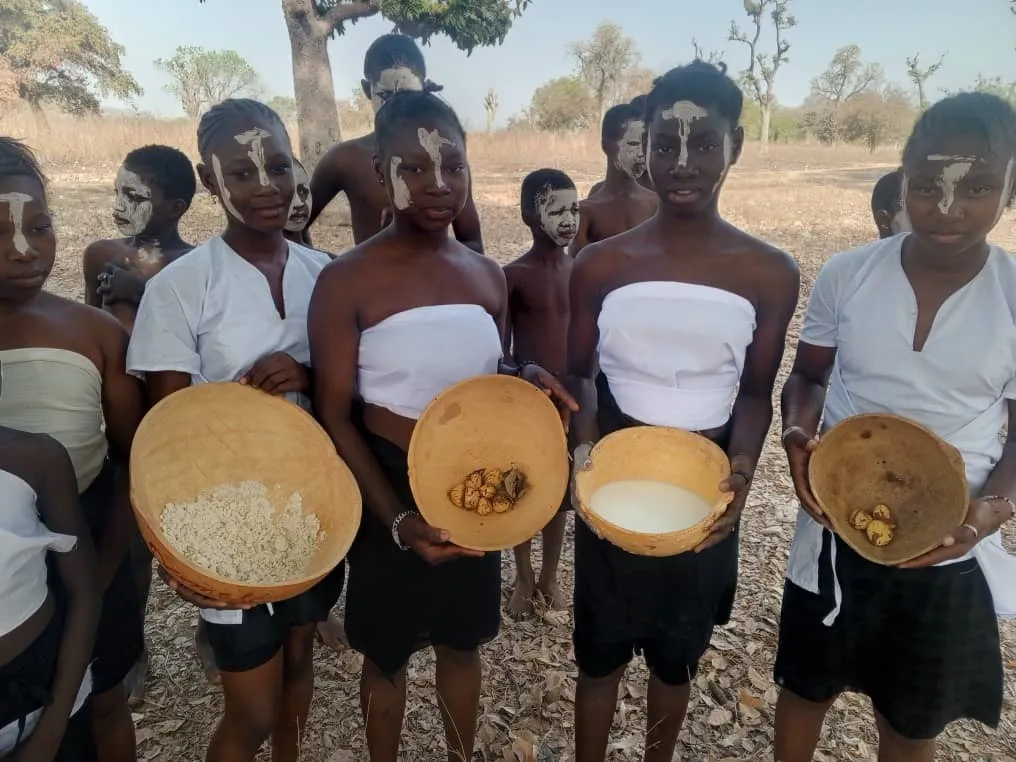
File:L’arbre sacré de Kobokoto 1.jpg <https://w.wiki/GCxL>, by Souleymane DIARRA, CC BY 4.0 https://creativecommons.org/licenses/by/4.0, via Wikimedia Commons
Since its launch in 2017, the WikiChallenge African Schools has inspired schools in 13 countries to take part — from Burkina Faso to Tunisia, from Cameroon to Sierra Leone. In that time, nearly 800 schools have joined the initiative, producing over 600 articles and more than 3,000 photos, drawings, and videos.
In 2023, the contest’s innovative approach to open education earned it international recognition when it received the Open Education Award, celebrating its contribution to inclusive, accessible learning.
Two Languages, One Shared Goal
The 2024 – 2025 edition marked another milestone: it was the second year the contest ran in both English and French, broadening its reach across the continent.
A total of 422 schools from 13 countries participated, with Cameroon proudly contributing in both languages.
Students from English-speaking countries — Botswana, Cameroon, Liberia, and Sierra Leone — joined their French-speaking peers from Burkina Faso, Côte d’Ivoire, Guinea, Madagascar, Mali, Morocco, DR Congo, Senegal, and Tunisia. Together, they created 174 new articles, illustrated by 696 photos and 40 videos.
Beyond the Contest: Learning, Confidence, and Connection
But the WikiChallenge is about far more than numbers.
It’s about empowering young people to see themselves as knowledge creators — not just consumers. By researching their communities, interviewing elders, and collaborating with teachers, students learn to value their heritage and express it in their own words. They see their work published online, boosting confidence and pride.
For many, it’s their first step into the global open-knowledge movement — one that invites everyone, everywhere, to share what they know.
Teachers and schools benefit too. The contest sparks curiosity and teamwork in the classroom, strengthens digital literacy, and connects schools across borders. It’s proof that even in remote areas, children can be powerful contributors to the world’s shared understanding.
Celebrating the People Behind the Success

File:Prix national Wikichallenge Ecoles d’Afrique 2025 Côte d’Ivoire 22.jpg <https://w.wiki/GCxW> by Dadrik, CC BY-SA 4.0 https://creativecommons.org/licenses/by-sa/4.0, via Wikimedia Commons
Behind every winning story is a network of dedicated Wikimedians, teachers, and volunteers who make it all possible.
This year’s edition was coordinated by Florence Devouard (known online as Anthere) and Afek Ben Chahed (Afek91) from Wiki in Africa, with support from User:Dadrik, local mediators, and facilitators in each country. Among the many contributors were:
Burkina Faso: Ouagadougoufobf, IdealCom
Cameroon: Alexandra Tchuileu, Joseph Ondoa
Côte d’Ivoire: Djato Celestine, Mamy71
Guinea: Julesjules, Falilou224
Madagascar: Joo
Mali: Badian Aliou Sidibe, Soul25
Morocco: Reda Benkhadra, Siham Belmanoun
Senegal: Tafsir Fall
DR Congo: NJosyN, ValNas, Lingabo
Sierra Leone: ODC-Sierra-Leone (Finnah Stevens)
Tunisia: Bsghaier, Afek91
Botswana: Shoodho, Goitse
Liberia: Lovetta
They were supported by local Fondation Orange teams, Wikimedia user groups, and members of the Vikidia community, who offered mentorship, technical guidance, and a warm welcome to every new participant.
And the Winners Are…
After months of creativity and collaboration, 38 articles were awarded prizes — including three international prizes, one Coup de Cœur award, and 34 national winners across the participating countries.
🏆 International Prizes
Mali: Danses du terroir à Banimonotié – School Almamy Timbo de Bougouni (French)
Morocco: Gare ferroviaire de Fnideq – School Ibn Bajade Fnideq (French)
Botswana: Motshelo – Magopane Primary School (English)
💖 Coup de Cœur Prize
Senegal: Tambour de communication – School Ndiébel Publique de Kaolack
Each winning article celebrates local culture — from traditional dances and oral histories to community landmarks and natural wonders. Together, they form a colourful mosaic of African life, written by the continent’s youngest storytellers.
National winners can be found at https://fr.vikidia.org/wiki/Projet:WikiChallenge_%C3%89coles_d%27Afrique_2025/Bilan
A Heartfelt Thank-You
None of this would have been possible without the enthusiasm and dedication of everyone involved — the students, teachers, local facilitators, Wikimedians, Fondation Orange teams, and the ever-supportive Vikidia community.
Your combined efforts have turned classrooms into creative studios, and learners into proud contributors to the world’s shared knowledge.